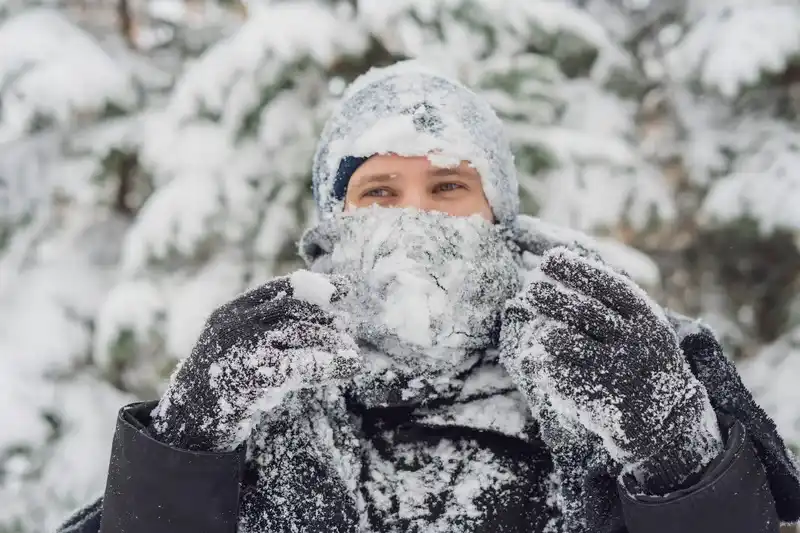
Winter landscapes can be breathtakingly beautiful. Snow-covered mountains, frozen lakes, and quiet forests create scenes that seem almost magical. Yet beneath this beauty lies a powerful reality. Cold weather remains one of nature’s most dangerous challenges, capable of turning a routine outdoor adventure into a life-threatening situation within hours. This is why understanding cold-weather survival is not only valuable for outdoor enthusiasts but also for travelers, commuters, emergency responders, and anyone who lives in regions prone to severe winter conditions.
Each year, thousands of people worldwide experience weather-related emergencies caused by extreme cold. Unexpected snowstorms, vehicle breakdowns, power outages, and outdoor accidents can leave individuals exposed to freezing temperatures with limited resources. In many cases, proper preparation and basic survival knowledge make the difference between safety and disaster.
The good news is that effective cold weather survival relies on practical skills that can be learned and applied by anyone. From understanding hypothermia and shelter-building techniques to choosing the right clothing and maintaining body heat, preparation significantly increases the chances of staying safe in challenging winter environments. This guide explores the most important principles, strategies, and skills required for successful survival in extreme cold conditions.
Understanding the Risks of Extreme Cold
One of the most important aspects of cold weather survival is recognizing the dangers associated with low temperatures. Cold environments place significant stress on the human body, forcing it to work harder to maintain a safe internal temperature.
When exposed to freezing conditions, the body loses heat through radiation, convection, conduction, and evaporation. If heat loss exceeds heat production, core body temperature begins to drop. This process can lead to serious health risks, including hypothermia and frostbite.
Understanding these risks allows individuals to make informed decisions during winter emergencies. Successful cold weather survival begins with awareness of how cold temperatures affect the body and the environment.
Why Preparation Is the Foundation of Survival
Preparation is often the single most important factor in cold weather survival. Most winter emergencies become dangerous not because conditions are impossible to overcome but because people underestimate the environment or fail to prepare adequately.
Experienced outdoor professionals consistently emphasize planning before exposure occurs. Checking weather forecasts, informing others of travel plans, carrying emergency supplies, and understanding local conditions dramatically improve survival outcomes.
A well-prepared individual enters a winter environment with realistic expectations and appropriate resources. This proactive approach forms the cornerstone of effective cold weather survival strategies.
Dressing for Survival in Cold Conditions
Clothing serves as the first line of defense in cold weather survival. The right clothing system helps preserve body heat while protecting against wind, snow, and moisture.
Experts often recommend layering because it allows individuals to adjust insulation levels as conditions change. A moisture-wicking base layer helps keep skin dry, while insulating layers trap heat and an outer shell protects against wind and precipitation.
Maintaining dry clothing is particularly important. Wet garments lose much of their insulating effectiveness and accelerate heat loss. Effective cold weather survival depends heavily on managing moisture while retaining warmth.
Recognizing the Signs of Hypothermia
Hypothermia is one of the most serious threats in cold weather survival situations. It occurs when the body’s core temperature drops below normal levels, impairing physical and mental function.
Early symptoms often include intense shivering, fatigue, confusion, and difficulty concentrating. As hypothermia progresses, shivering may stop, judgment becomes impaired, and coordination deteriorates significantly.
Recognizing these warning signs quickly is critical. Prompt action, including shelter, dry clothing, and gradual warming, can prevent a dangerous situation from becoming life-threatening. Understanding hypothermia is a fundamental component of cold weather survival knowledge.
Understanding Frostbite and Prevention
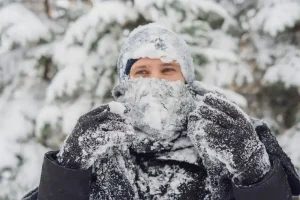
Frostbite occurs when skin and underlying tissues freeze due to prolonged exposure to cold temperatures. Fingers, toes, ears, nose, and cheeks are particularly vulnerable because they are often exposed and receive less blood flow.
Early frostbite may cause numbness, tingling, or pale skin. Severe cases can result in permanent tissue damage if not addressed promptly. Prevention is far easier than treatment.
Protective clothing, proper insulation, and regular monitoring of exposed skin play essential roles in cold weather survival. Taking preventive measures significantly reduces the risk of frostbite during winter emergencies.
Building Shelter in Extreme Conditions
Shelter is often considered one of the highest priorities in cold weather survival. Exposure to wind and moisture accelerates heat loss, making shelter critical for maintaining body temperature.
Natural shelters such as caves, dense forests, or rock formations can provide protection from wind. In snow-covered environments, snow shelters may offer surprisingly effective insulation due to snow’s ability to trap air and reduce heat loss.
The primary goal of any survival shelter is to create a barrier between the individual and harsh environmental conditions. Effective shelter construction greatly improves cold weather survival outcomes.
The Importance of Fire in Winter Survival
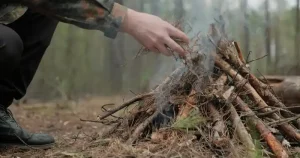
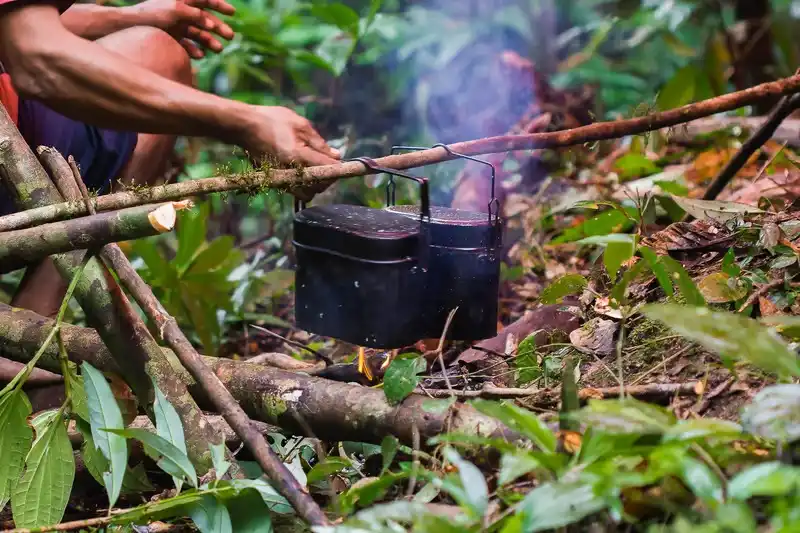
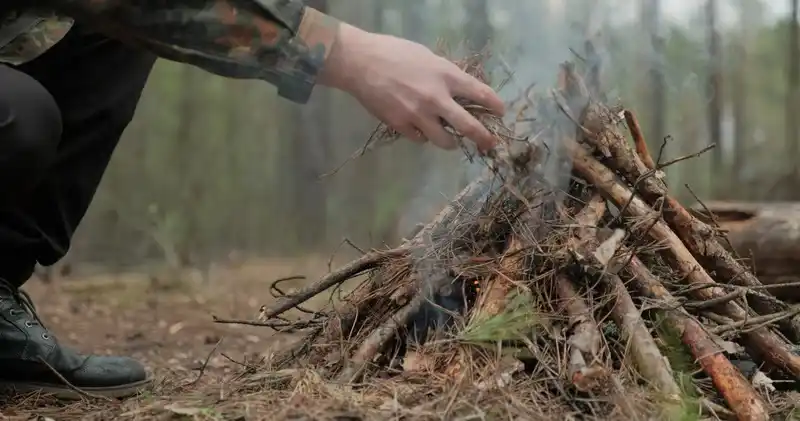
Fire serves multiple purposes in cold weather survival situations. It provides warmth, allows water purification, assists with food preparation, boosts morale, and can serve as a signaling tool for rescuers.
Starting a fire in winter can be challenging due to wet materials, snow, and strong winds. Successful preparation often includes carrying waterproof matches, fire starters, and backup ignition methods.
Experienced survival experts stress the importance of practicing fire-building skills before they become necessary. Reliable fire-making ability remains one of the most valuable skills in cold weather survival scenarios.
Staying Hydrated in Cold Environments
Many people underestimate the importance of hydration during winter emergencies. Cold temperatures often reduce feelings of thirst, leading individuals to consume less water than their bodies require.
Dehydration negatively affects circulation, energy levels, and temperature regulation. These effects can significantly compromise cold weather survival efforts, especially during physical exertion.
Melting snow for drinking water may be necessary in some situations, but snow should ideally be melted before consumption. Maintaining hydration helps support both physical performance and overall survival capability.
Nutrition and Energy Management
The human body requires energy to generate heat. As a result, nutrition plays an important role in cold weather survival. Individuals exposed to cold environments often burn significantly more calories than they would under normal conditions.
High-energy foods containing carbohydrates, fats, and proteins help sustain body heat and physical performance. Frequent snacks may be beneficial because they provide a steady source of fuel for heat production.
Proper nutrition supports physical endurance, mental clarity, and resilience. In challenging winter conditions, maintaining energy levels becomes a critical component of successful cold weather survival.
Navigation Challenges in Winter Conditions
Snowstorms, reduced visibility, and altered landscapes can make navigation extremely difficult. Trails may disappear beneath snow, landmarks can become obscured, and weather conditions may change rapidly.
For this reason, navigation skills remain highly valuable in cold weather survival situations. Maps, compasses, GPS devices, and route planning all contribute to safer travel.
Experienced winter travelers understand that avoiding disorientation is often easier than correcting it. Sound navigation practices help reduce risk and improve decision-making in unfamiliar environments.
Vehicle Emergency Survival During Winter
Many winter emergencies occur while traveling. Vehicle breakdowns during severe weather can leave individuals stranded in dangerous conditions far from assistance.
Experts generally recommend remaining with the vehicle whenever possible because it provides shelter, visibility, and access to supplies. Emergency kits containing blankets, food, water, flashlights, and communication devices can significantly improve safety.
Vehicle preparedness is an important aspect of cold weather survival because winter travel emergencies are among the most common cold-related incidents worldwide.
Mental Resilience and Survival Psychology
Physical preparation is essential, but psychological resilience also plays a major role in cold weather survival. Fear, panic, frustration, and hopelessness can impair judgment and lead to poor decisions.
Survivors often describe the importance of maintaining a calm and focused mindset. Breaking challenges into manageable steps helps reduce stress and encourages productive action.
Mental discipline supports effective problem-solving and adaptability. Strong psychological resilience can be just as important as physical resources during winter emergencies.
Technology and Modern Survival Preparedness
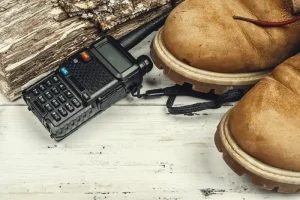
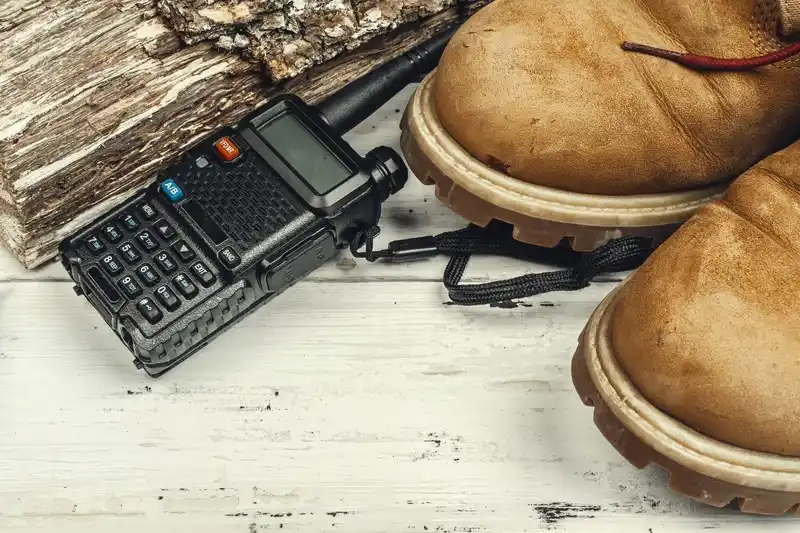
Modern technology has improved many aspects of cold weather survival. Weather forecasting tools, satellite communication devices, GPS navigation systems, and emergency locator beacons provide valuable support during outdoor activities.
However, technology should complement rather than replace traditional survival skills. Batteries fail, signals disappear, and equipment can malfunction under extreme conditions.
The most effective approach combines technological resources with practical cold weather survival knowledge. This balanced strategy provides greater reliability and flexibility when facing unexpected challenges.
Learning from Real-World Survival Stories
Many valuable lessons about cold weather survival come from real-world experiences. Stories of stranded hikers, lost skiers, avalanche survivors, and winter travelers consistently highlight the importance of preparation, adaptability, and perseverance.
Common themes emerge across these accounts. Survivors often credit proper clothing, shelter-building skills, fire-making abilities, and mental resilience for helping them endure difficult conditions.
These examples demonstrate that successful cold weather survival is rarely the result of luck alone. It is typically the product of preparation, knowledge, and sound decision-making under pressure.
Preparing for the Future
Climate variability continues to produce extreme weather events across many regions. Severe winter storms, unexpected cold snaps, and prolonged power outages have become increasingly significant concerns in some areas.
As a result, understanding cold weather survival is becoming relevant to a broader population. Families, businesses, communities, and individuals all benefit from emergency preparedness planning.
Investing time in learning survival skills today can provide valuable protection in future emergencies. Preparation remains one of the most effective tools for managing uncertainty and reducing risk.
Conclusion
Extreme cold presents serious challenges, but it is a challenge that can be managed with the right knowledge and preparation. Understanding the risks of hypothermia, frostbite, dehydration, and exposure enables individuals to make smarter decisions when conditions become difficult.
Effective cold weather survival depends on preparation, proper clothing, shelter, hydration, nutrition, navigation skills, and mental resilience. Each element contributes to a comprehensive survival strategy that increases safety and confidence in winter environments.
Whether planning a wilderness adventure, preparing for seasonal travel, or building emergency readiness at home, investing in cold weather survival skills provides lasting value. Knowledge, preparation, and practical action remain the most reliable tools for overcoming the challenges of extreme winter conditions.
Frequently Asked Questions
What is cold weather survival?
Cold weather survival refers to the skills, knowledge, and preparation needed to stay safe in freezing or extreme winter conditions. It includes maintaining body heat, preventing hypothermia and frostbite, finding shelter, staying hydrated, and making informed decisions during cold-weather emergencies.
Why is preparation important for cold weather survival?
Preparation is important because it helps individuals anticipate challenges before exposure occurs. Proper clothing, emergency supplies, weather awareness, and survival knowledge significantly improve safety and reduce risks associated with severe winter conditions, unexpected storms, and prolonged exposure to cold environments.
What are the first signs of hypothermia?
Early signs of hypothermia often include shivering, fatigue, confusion, poor coordination, and difficulty concentrating. As the condition worsens, judgment becomes impaired and physical function declines. Recognizing symptoms early is critical because prompt intervention greatly improves recovery and survival outcomes.
How can I stay warm during a winter emergency?
Staying warm during a winter emergency involves wearing layered clothing, remaining dry, seeking shelter from wind and moisture, consuming adequate food and water, and using safe heat sources when available. Conserving body heat and minimizing exposure are essential cold weather survival strategies.
What should be included in a cold weather survival kit?
A cold weather survival kit should include warm clothing, blankets, food, water, flashlights, batteries, first-aid supplies, fire-starting tools, navigation equipment, and communication devices. These items help individuals respond effectively to winter emergencies and improve overall preparedness and safety.