The cold does not announce itself the way other dangers do. There is no roar, no flash, no sudden impact. It comes quietly, patiently, and with complete indifference to whether you are prepared or not. One moment you are hiking a trail you have walked a dozen times before, and the next moment the temperature has dropped fifteen degrees, the wind has picked up, your jacket is soaked through with sweat, and you realize with a clarity that cuts through everything else that you are in serious trouble. Cold weather emergencies do not require you to be reckless or inexperienced to find yourself in one. They require only that you underestimate how quickly conditions can change and how rapidly the human body loses its ability to function when core temperature drops. Hypothermia, frostbite, and cold-related exhaustion kill people every year, and the vast majority of those deaths involve individuals who did not expect to be in a survival situation when they set out. The difference between those who survive cold weather emergencies and those who do not is almost never equipment alone. It is knowledge, preparation, and the ability to think clearly and act decisively when panic is the easier option. This guide covers the most critical cold weather survival skills that every person who spends time in winter environments should understand deeply, not as abstract theory, but as practical, actionable knowledge that works when your life depends on it.
Understanding How Cold Kills: The Physiology You Must Know
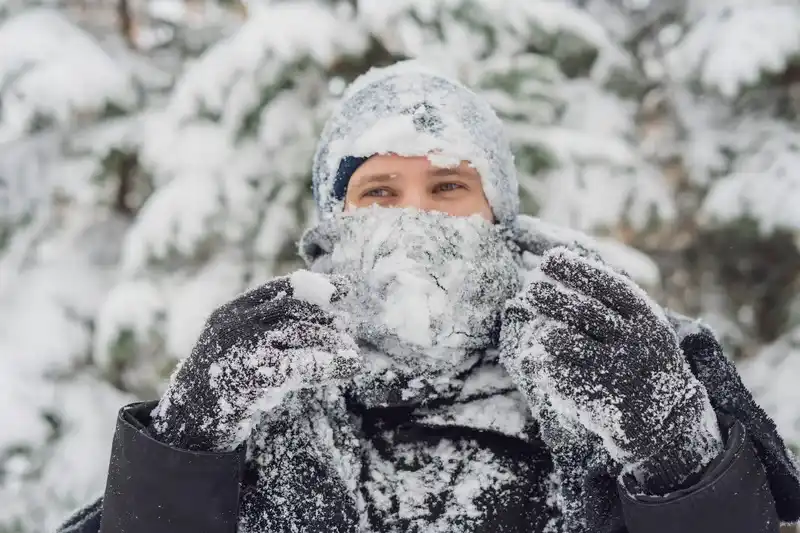
Before you can effectively use cold weather survival skills, you need to understand exactly what cold does to the human body and why it is so dangerous. The human body is a heat-generating machine that functions within a remarkably narrow core temperature range. Normal core temperature sits at approximately 37 degrees Celsius. When core temperature drops to 35 degrees, the first stage of hypothermia begins, characterized by intense shivering, confusion, slurred speech, and impaired coordination. By the time core temperature reaches 32 degrees, shivering may paradoxically stop as the body loses the muscular energy to continue, and the person may experience a dangerous sense of warmth and wellbeing that leads to fatal decision-making errors. Below 30 degrees, unconsciousness follows, and below 28 degrees, cardiac arrest becomes likely. The terrifying reality of this progression is that it can unfold within hours in moderate cold and within minutes in severe conditions involving wind and wetness. Wind chill is not merely a comfort measurement. It is a direct indicator of how quickly exposed skin and ultimately core temperature will drop, because wind strips away the thin layer of warm air that the body generates around itself and dramatically accelerates heat loss. Wet conditions compound this effect exponentially. Water conducts heat away from the body approximately twenty-five times faster than air at the same temperature, which is why a soaking rain in forty-degree weather can be more immediately life-threatening than dry air at ten degrees below zero.
Recognizing Hypothermia in Yourself and Others
One of the most critical and least discussed cold weather survival skills is the ability to recognize hypothermia in its early stages, both in yourself and in the people you are with. This is harder than it sounds because the early symptoms of hypothermia closely resemble other conditions, and because the cognitive impairment that accompanies it specifically undermines your ability to assess your own condition accurately. The classic early warning signs include intense and uncontrollable shivering, difficulty with fine motor tasks like zipping a jacket or opening a pack, slurred or slow speech, confusion or difficulty concentrating, and unusual irritability or emotional withdrawal. A reliable field test for mild hypothermia is the ability to perform complex tasks with the hands. A person in the early stages of hypothermia will struggle with tasks requiring fine motor coordination long before they appear outwardly incapacitated. If you or someone in your group begins making uncharacteristic decisions, has trouble completing simple physical tasks, or complains of numbness in the extremities alongside persistent shivering, treat it as a hypothermia emergency regardless of how mild the symptoms appear, because the window for easy intervention closes faster than most people expect.
Building Emergency Shelter in Cold Weather
Shelter is the first priority in any cold weather survival situation, more important than fire, more important than water, and more important than signaling for rescue. The reason is thermodynamic. Without adequate shelter, no amount of fire-building skill can compensate for the continuous heat loss that wind, precipitation, and ground contact impose on a human body. The goal of an emergency cold weather shelter is to create a small, enclosed space that traps body heat and protects against wind and precipitation, not to create a comfortable dwelling. In wilderness environments, the materials available for shelter construction depend on the terrain, but the most universally applicable and effective cold weather emergency shelter is the snow shelter, specifically the debris hut or snow trench, because snow is an extraordinary insulator. The air trapped within the crystalline structure of compacted snow creates a thermal barrier that can maintain interior temperatures significantly above outside air temperatures even in severe conditions. A properly constructed snow trench covered with branches, a tarp, or additional packed snow can provide genuinely life-saving protection in a winter survival emergency. The critical construction principle that many people miss is that smaller is always better for body-heat shelters. A shelter just large enough to lie in with minimal clearance above your body will retain your body heat far more effectively than a larger structure where the heat disperses into a larger air volume before reaching your skin.
Insulation From the Ground: The Survival Detail Most People Overlook
Of all the cold weather survival skills related to shelter, the most consistently overlooked and most consequential is insulation from the ground. Ground contact is one of the primary mechanisms of heat loss in cold weather survival situations, yet it receives far less attention than the more dramatic concerns of wind and precipitation. The ground in a winter environment acts as a massive heat sink, continuously drawing warmth away from any body surface in contact with it. A person lying directly on frozen ground without insulation can lose body heat to conduction faster than they are generating it, making the ground itself a direct contributor to hypothermia even in a shelter that is otherwise adequate. The practical skill of creating an insulating layer between your body and the ground using whatever materials are available, dry leaves, pine boughs, bark, a pack, spare clothing, or a purpose-made sleeping pad, is not optional in a cold weather survival situation. It is the difference between a shelter that works and one that slowly fails. Experienced wilderness survival instructors consistently rate this as one of the most life-saving habits they teach, specifically because it is so counterintuitive. People instinctively focus on what is above them rather than what is beneath them, and this instinct kills people in cold weather emergencies every year.
Fire-Starting Skills for Cold and Wet Conditions
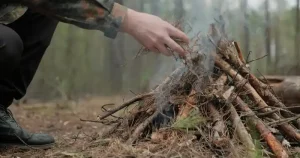
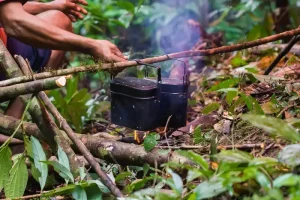
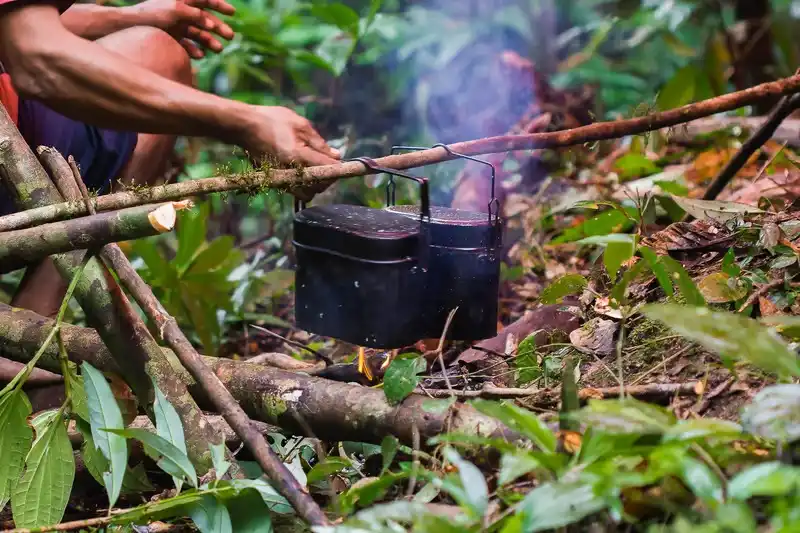
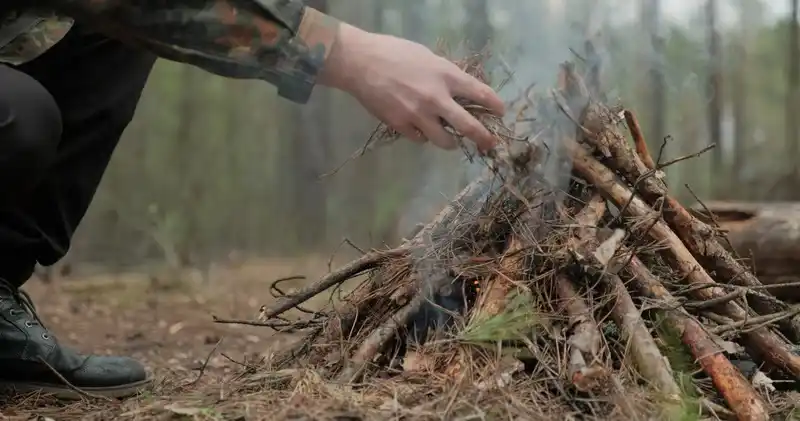
Fire in a cold weather survival situation serves multiple critical functions simultaneously. It warms the body directly through radiant heat, dries wet clothing and equipment, purifies water for drinking, signals rescuers through smoke and light, and provides the psychological reassurance of warmth and light that helps maintain the mental composure necessary for sound decision-making. The challenge in winter survival situations is that the conditions that make fire most urgently necessary, wet, cold, and windy, are precisely the conditions that make fire hardest to start and sustain. Cold weather fire-starting skill is therefore not the same as general fire-starting knowledge. It requires specific adaptations and techniques that address the particular challenges of wet tinder, frozen wood, numb fingers, and wind that steals heat from developing flames before they can establish themselves. The most important principle in cold weather fire-starting is preparation before you need it. Carrying multiple ignition sources, specifically a waterproof lighter as your primary, waterproof matches as your secondary, and a ferrocerium rod as your tertiary, ensures that ignition remains possible even if one or two methods fail. Carrying pre-prepared tinder in a waterproof container, materials like cotton balls saturated with petroleum jelly, commercial fire starters, or dry birch bark shavings, removes the most difficult variable from cold weather fire-starting by guaranteeing that you have dry, highly flammable material available regardless of what the environment provides.
Finding and Preparing Fuel in Winter Conditions
Fuel collection and preparation in winter conditions requires knowledge that goes beyond simply gathering wood. Wet and frozen wood burns poorly if at all, and a fire that smolders and produces smoke without generating heat is nearly useless in a survival context. The key to finding burnable fuel in winter is understanding where dry wood can be found even in wet conditions. Dead branches that are still attached to standing trees are almost always drier than wood lying on the ground, because the dead wood on standing trees is elevated above ground moisture and partially protected from precipitation by the canopy above. The interior of fallen logs, accessed by splitting them, is frequently dry even when the exterior is soaking wet. Fine wood shavings and splinters have enormously greater surface area than solid wood of the same mass, which makes them dramatically easier to ignite and helps fire establish itself quickly enough to then accept progressively larger fuel. Building a fire platform from split wood in conditions where the ground is frozen or snow-covered prevents the fire from melting into the ground and extinguishing itself as it develops. These details are the difference between a survival fire that sustains itself and generates real heat and a frustrating, energy-draining failure that leaves you colder and more depleted than when you started.
Water in Winter: Finding, Melting, and Staying Hydrated
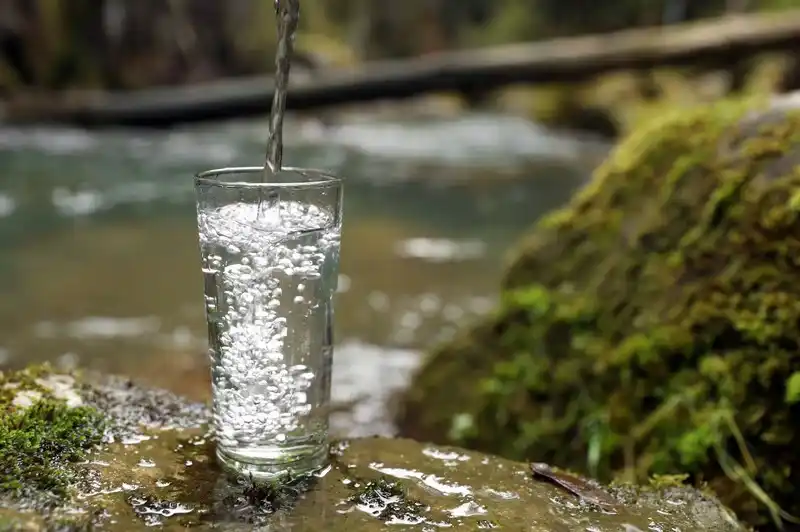
Dehydration in cold weather survival situations is both more dangerous and more common than most people realize, because the sensation of thirst is significantly suppressed in cold environments. Cold air is extremely dry and pulls moisture from the respiratory system with every breath, and the physical exertion of moving through snow, building shelter, and gathering fuel generates substantial sweat loss even when temperatures are well below freezing. The combination of suppressed thirst, respiratory moisture loss, and sweat loss creates a dehydration trajectory that can significantly impair cognitive function, physical performance, and cold tolerance within hours without the person being aware of it. Finding and treating water in winter wilderness environments presents unique challenges. Natural water sources may be frozen over, though flowing water beneath ice is almost always available if you know how to access it. Snow and ice are available in most winter wilderness environments but must be melted before consumption, because eating snow directly drops core temperature and can accelerate hypothermia in an already stressed body. Melting snow for water requires fire, which reinforces why fire-starting is such a critical early priority in cold weather survival situations. The fuel efficiency of snow melting is poor, requiring significant amounts of snow to produce modest volumes of water and demanding sustained fire maintenance that consumes both fuel and the survivor’s time and energy.
Preventing Dehydration Before It Becomes an Emergency
The most effective water management strategy in cold weather survival is preventing dehydration before it becomes symptomatic rather than treating it after cognitive impairment has already set in. The practical approach is to drink consistently and deliberately throughout the day regardless of thirst signals, treating hydration as a scheduled maintenance task rather than a response to perceived need. Urine color is a more reliable hydration indicator than thirst in cold environments, with pale yellow indicating adequate hydration and dark yellow or amber indicating significant dehydration requiring immediate corrective action. Keeping water containers close to the body or in an insulated sleeve prevents freezing in severe cold, because a frozen water bottle is completely useless as a hydration source and represents a critical failure of water management planning. In genuine survival situations where the only available water source is snow, prioritizing the construction of a sustainable fire capable of continuous snow melting is more important than the immediate volume of water produced, because the ability to generate water on demand over hours and days is more valuable than a single large drinking session.
Final Thought
Cold weather survival skills are not knowledge you acquire once and then have permanently available. They are skills that require practice, reinforcement, and genuine respect for the environments where they become necessary. The mountain, the forest, and the winter wilderness are not hostile environments, but they are completely indifferent ones. They do not adjust their demands to your level of preparation. They present the same conditions to the experienced and the novice alike, and what determines who walks out and who does not is the depth and quality of preparation brought in. Learning cold weather survival skills in the comfort of a warm room or through reading alone is a start, but it is only a start. The knowledge only becomes truly yours when you have practiced fire-starting with cold hands, built a shelter in actual cold conditions, and navigated with a map and compass when the stakes of getting it wrong were at least slightly real. Start building that practice now, before you need it, because the cold does not wait for you to be ready.